


Acupuncture in Pregnancy Care: Evidence from Cochrane Reviews
Both John and Jacinta have been working with pregnant Mums for many years. A lot of the time, we are seeing patients who are looking to become Mums, or parents, and then continue to see us during their pregnancy.
We both have a special interest in Women’s health and take pride in being well respected acupuncturists amongst our community.
John has held lecturing positions over the past 15 years whilst maintaining his busy clinic, whilst Jacinta has continued her studies with post graduate qualifications in nutrition.
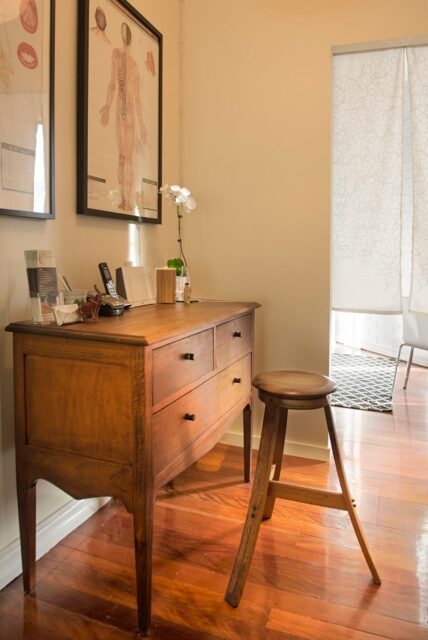
We’d love to welcome you into our cosy clinic space.
In recent years, acupuncture during pregnancy has gained in popularity. Of course, you should always seek out an APRHA registered acupuncturist – like us!
Pregnancy is a time of significant changes in a woman’s body, and many women experience discomfort and unwanted symptoms during this period such as:
- Headaches in pregnancy
- Back pain in pregnancy
- Anxiety in pregnancy.
Hopefully you will be familiar with acupuncture. Perhaps you know a friend who has had acupuncture during pregnancy, or your midwife has suggested to give it a go.
In this blog post, we will explore the benefits of acupuncture in pregnancy-care based on evidence from Cochrane reviews and another randomised controlled trial. Just click on the drop down menus below!
If you want to talk with us please don’t hesitate to call the clinic on 3357 3205, or reach out through our contact form.
NEW: We now have online bookings too, so just scroll to the bottom of this page if you are ready to come and see us!
Conclusion:
Based on the Cochrane reviews, acupuncture may be effective in relieving pregnancy-related symptoms, inducing labour, and managing breech presentation. However, reviewers are asking for more large scale trials to help lift the evidence score from low to moderate or good, as well as decrease any potential bias. We need to continue to push for better designed clinical trials !
Some Really Great Links Here!
Acupuncture/Moxibustion Research


Want to know more about how we may help with your current health concerns?
If you are looking for an acupuncture clinic in Brisbane where the practitioners pride themselves on their dedication to their work, then please get in touch. Phone us today at 3357 3205 or book online via the link below.
Smith, C. A., et al. (2018). Acupuncture for pain and discomfort in neonates. Cochrane Database of Systematic Reviews, (5). https://doi.org/10.1002/14651858.CD007814.pub3
Levett, Kate M., Smith, C.A., Bensoussan, A. & Dahlen, H.G. (2016). Complementary therapies for labour and birth study: a randomised controlled trial of antenatal integrative medicine for pain management in labour. BMJ Open, 2016 Jul 12;6(7):e010691. DOI: 10.1136/bmjopen-2015-010691.
Lim, C. E., et al. (2018). Acupuncture for induction of labour. Cochrane Database of Systematic Reviews, (10). https://doi.org/10.1002/14651858.CD007701.pub4
van den Berg I, Kaandorp GC, Bosch JL, Duvekot JJ, Arends LR, Hunink MG. Cost-effectiveness of breech version by acupuncture-type interventions on BL 67, including moxibustion, for women with a breech foetus at 33 weeks gestation: a modelling approach. Complement Ther Med. 2010 Apr;18(2):67-77. doi: 10.1016/j.ctim.2010.01.003. Epub 2010 Feb 7. PMID: 20430289.
Vas, J., et al. (2015). Acupuncture for fetal distress in breech presentation. Cochrane Database of Systematic Reviews, (9). https://doi.org/10.1002/14651858.CD003928.pub3